Triethyl phosphite has traveled quite a path since its earliest days. Introduced to the world in the late nineteenth century, this compound quickly caught the eye of chemists in Europe, who were hunting for new ways to manipulate phosphorus. Those original synthesis experiments didn’t just enhance laboratory routines—they provided a chemical handle that made organic synthesis more creative. Over the following decades, as the chemical industry took shape, triethyl phosphite drifted from academic exercises into industrial-scale production. The practical uses soon extended far beyond textbook curiosity. Industrial, agricultural, and pharmaceutical applications began driving both demand and further chemical innovation. Triethyl phosphite’s journey mirrors the development of fine chemicals in the modern era, with every jump in purity and yield opening fresh possibilities across different fields.
Triethyl phosphite belongs to the chemical family of organophosphorus compounds. Its formula, P(OEt)3, makes it a simple molecule but not a boring one. Evoking the vinegar tang of esters, its structure enables reactions few other simple organophosphorus agents can manage. Anyone who has spent time in a research lab knows chemicals that seem modest on paper can often punch above their weight in practice. With triethyl phosphite, both production volumes and value demonstrate this dynamic. Many sectors rely on steady supply, from API manufacturing to the synthesis of specialty ligands for catalysis. Markets continue to widen as more industries recognize its problem-solving flexibility.
In liquid form, triethyl phosphite appears colorless and features a characteristic odor some describe as faintly fruity. It’s relatively stable in the face of gentle handling, but open air and moisture unsettle it. It boils around 156°C and holds a density near 0.98 g/cm3. One of the defining features for anyone who has used it is its sensitivity—exposure to water leads to breakdown, releasing both ethanol and phosphorous acid. Its flammability poses real storage and handling concerns. This combination of volatility, hydrolysis, and combustibility keeps eyes wide open in the chemistry lab. Triethyl phosphite dissolves well in most organic solvents, which helps it fit seamlessly into many reaction setups. Its physical profile matches the stereotype for small organophosphorus esters: mobile, responsive, and a little bit unpredictable, making respect for the material mandatory.
Industrial triethyl phosphite arrives at a customer’s facility in steel drums or glass bottles, always sealed to protect from air and water. Purity counts—producers guarantee content upwards of 98%. Labels warn clearly of fire risk, corrosiveness, and health hazards. Transport rules in most regions demand classification as a hazardous material, which means full documentation and trained handlers. In real-world practice, technical data sheets explain exactly what buyers get: batch analysis, impurity profiles, and handling advice. Compliance with REACH in Europe or TSCA in the U.S. forms the backbone for distribution in those regions, signaling a company’s willingness to take safety and traceability seriously. Laboratories and manufacturers depend on this level of transparency, not just for regulation but also for peace of mind.
Producers generally synthesize triethyl phosphite by treating phosphorus trichloride with ethanol in the presence of a base, typically a tertiary amine. This process has changed little since the early days, which tells its own story—the reaction is efficient, cost-effective, and scalable. The chemistry isn’t glamorous, but it works. Any researcher who has tried optimizing or scaling a similar esterification recognizes the trade-off between yield, purity, and waste management. One persistent issue is careful handling of phosphorus trichloride and removal of generated hydrochloric acid, which otherwise eats away at equipment and can compromise the final product. Over time, some companies have updated processes to recycle solvents and reduce emissions, reflecting shifts toward greener chemistry standards.
In the hands of a skilled chemist, triethyl phosphite acts as a Swiss army knife. It’s most famous as a reagent in the Michaelis-Arbuzov reaction, where it turns alkyl halides into phosphonates—a transformation with deep importance for drug synthesis and agrochemical innovation. This reaction changed how the world makes C–P bonds. Triethyl phosphite also acts as a reducing agent, converting peroxides, halides, and even metal salts. Its strong affinity for electrophiles lets it engage in many nucleophilic substitution reactions. For anyone pushing synthetic boundaries, it carves out new molecular territory, either on its own or by forming ligands for catalysis. Each new modification tends to open a new niche, bringing chemists and engineers back to triethyl phosphite whenever phosphorus chemistry is required.
As with many industrial chemicals, triethyl phosphite wears many hats depending on who is addressing it. On chemical catalogs and shipping papers, it goes by names like phosphorous acid triethyl ester, ethyl phosphite, and phosphonic acid, triethyl ester. Different languages and industries create local labels, sometimes muddying communication between suppliers and users. Trained staff look out for CAS number 122-52-1—a hard data point that avoids this confusion. Even so, experts remain vigilant; failure to match chemical synonyms with actual content has led to more than one mishap in research labs and warehouses.
Dealing with triethyl phosphite is not for the careless or inattentive. Its volatility and ability to emit irritating fumes call for rigorous operational standards in both manufacturing and laboratory settings. Workers need gloves, goggles, and strong ventilation. Any leak or spill triggers immediate evacuation if not managed quickly. Many incidents across the years have shown the risks of underestimating reactivity with both air and water. Companies and organizations implement worker safety training, spill containment plans, and proper waste treatment routines. Regulatory agencies set exposure limits and demand safety data sheets for all handlers. Accidents teach powerful lessons; there’s no substitution for a culture that expects and rewards safe handling of hazardous organophosphorus compounds. Everyone involved, from procurement to end-user, has a direct interest in these standards being maintained without compromise.
Triethyl phosphite turns up in more applications than the average user might suspect. Most notably, pharmaceutical manufacturers value it for introducing phosphonate groups or activating reagents in key synthetic steps. Agrochemical production draws on it for similar reasons, with many pesticides and herbicides depending on phosphorus-based bonds that begin in the triethyl phosphite reactor. Material scientists employ it as a precursor for novel flame retardants, especially where other organophosphorus sources fall short. It even shows up as a ligand builder in homogeneous catalysis, helping develop specialty polymers and fine chemicals. Professionals in these areas notice how small changes in supply or pricing can ripple outward, altering project costs or derailing production schedules. As demand rises for high-purity specialty chemicals, the value and reach of triethyl phosphite only deepen.
In R&D labs, triethyl phosphite keeps finding new life. As team members push for greener methods, there’s growing attention on catalytic and atom-economical reactions where this agent can help. Scientists are exploring how modified phosphites influence reactivity or selectivity in challenging transformations. Analytical chemists keep refining detection and quantification techniques that zero in on trace impurities or breakdown products. Current academic work includes looking for replacement of rare metal catalysts with base-metal systems supported by triethyl phosphite ligands. More environmentally conscious disposal and recycling of spent phosphite wastes are now central research targets, especially at institutions determined to combine performance with responsibility.
Scientists continue to investigate the toxicological profile of triethyl phosphite, addressing both worker safety and environmental fallout. Exposure risks stem from absorbance through skin, inhalation of vapors, and contamination of water supplies due to improper disposal. Several studies show acute toxicity for mammals—large doses can cause symptoms ranging from respiratory irritation to neurological impacts. Over the past decade, regulatory bodies have added additional scrutiny due to concerns about chronic exposure or carcinogenic potential, though definitive long-term studies remain ongoing. Wastewater treatment systems now carefully monitor for organophosphorus contaminants, following evidence that these materials can persist and bioaccumulate. Responsible companies invest in closed handling systems, air filtration, and rigorous testing not only to comply with regulation but also to protect staff and the local environment. Open dialogue between producers and regulators continues to drive improvements, fueled by both accident records and new scientific findings.
Triethyl phosphite looks set to remain a fixture in the chemical landscape. Growing markets for advanced pharmaceuticals, high-tech agriculture, and specialty polymers all draw upon its unique attributes. Demand for sustainable chemistry has pushed producers to rethink synthesis pathways, minimize emissions, and recycle reagents more aggressively. Public perception shifts quickly on the topic of chemical safety—stakeholders must justify triethyl phosphite’s continued use with both transparent data and real-world environmental wins. If industry manages this balancing act, it can extend triethyl phosphite’s shelf life well into the future. Modern chemists and engineers continue to search for substitutes or derivatives with improved safety and greener credentials, but none yet match the combination of affordability, accessibility, and utility. Whether in a production plant or research bench, triethyl phosphite remains both tool and challenge—demanding respect and rewarding those willing to innovate, monitor risk, and push chemical boundaries responsibly.
Most people bump into the word “triethyl phosphite” about as often as they bump into Nobel laureates at the grocery store. Still, this colorless liquid turns up quietly behind the scenes in all sorts of places that touch our daily lives—whether we realize it or not.
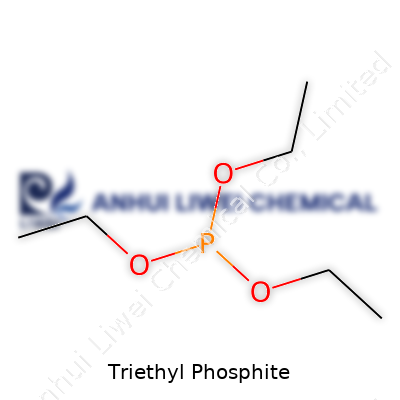
On a chemical level, triethyl phosphite packs three ethyl groups attached to phosphorus. It might not spark much interest at first glance, but its real strength comes from how it interacts with other compounds. In labs, it’s a crafty reagent. Chemists use it to build new molecules, steer essential reactions, or nudge one material to take the shape of another. The Appel reaction, which turns alcohols into alkyl halides—key ingredients in plenty of pharmaceuticals and agricultural products—leans heavily on triethyl phosphite.
Look at the pesticide industry. The world still needs to feed billions, and that mission leans on chemicals that defend crops from pests and disease. Triethyl phosphite steps in here as a starting material for making organophosphorus pesticides. It doesn’t turn up in the tomato you eat, but without it, some of the most efficient crop-protecting agents wouldn’t exist. I grew up near a farming community where the annual harvest made all the difference for local families. Hearing about yield swings, I came to understand how each link in the chemical chain matters—and risk at any step can ripple out to threaten food security.
The pharmaceutical industry relies on precise reactions to create medicines. Triethyl phosphite often plays a behind-the-scenes role as a reagent in synthesizing active drug ingredients. Reliable raw materials make or break the medical supply chain, and this compound’s consistency and reactivity help keep that chain strong.
Phosphites and phosphates show up in plastics—especially those used for everything from water pipes to automotive interiors. Blending triethyl phosphite with polymers boosts resistance to fire while holding off the yellowing and cracking that comes with years of sunlight and heat. This function as a stabilizer or flame retardant doesn’t just keep products looking better; it raises safety standards and extends functional life. Most people don’t get excited about what keeps a car’s dashboard from crumbling, but the impact is real.
Not all that glitters in a lab flask is good for you. Triethyl phosphite can irritate skin and cause respiratory problems without caution. Many folks in chemistry or factory jobs know the sting of forgetting gloves or missing a ventilation step. Producers and end users handle this compound with layers of oversight—regulations, training, and modern safety equipment. There’s room for better education. Some smaller facilities, especially in developing countries, don’t always get the same resources or updated safety guides. I remember visiting a workshop overseas where workers stored all chemicals together on a shaky shelf—one spark away from a real disaster. Global efforts to share best practices can close that gap.
Looking ahead, researchers keep searching for greener, less hazardous substitutes in agriculture and industry. Many companies have started reviewing their phosphorus chemistry, spurred by tightening regulations and growing consumer pressure. Whether new processes rise to meet the challenge or stricter oversight keeps current chemicals in check, one thing is clear: public health and product effectiveness balance on careful chemistry. The stories woven through phosphorus chemistry shape more of daily life than most realize.
Every time I walk into a lab where someone’s working with Triethyl Phosphite, the smell alone makes me remember my first cautionary tale. You know right away this chemical isn’t something to treat lightly. It gives off a sharp odor that’s easy to recognize once you’ve dealt with organophosphorus compounds, and that signal—along with the way it tends to stick to your skin or clothes—sets the tone for all the safety steps that follow.
In my early chemistry days, I didn’t wear splash goggles every single time. Lab glasses felt like enough, until they didn’t. All it took was one fast pipette move, and the sting on my cheek drove the message home. Triethyl Phosphite isn’t just a skin irritant—it can get straight through gloves if you don’t check their material. Nitrile works better than latex against this stuff, and I always double-glove now if there’s a risk of a leak. It’s shocking how quickly a spill can go from minor nuisance to burned skin if you aren’t ready.
If you're tempted to "make do" in a small, closed workspace, don’t. Triethyl Phosphite can release irritating and potentially toxic vapors, especially when it gets warm. I’ve seen folks underestimate fume hood importance and pay the price with headaches or sore throats by the end of a shift. Good airflow means you won’t regret spending extra time setting up splash guards and vent lines. I always double-check mine’s on before I uncap anything. That simple routine keeps the worst vapors away from your lungs—even if you’re only dealing with a few milliliters.
The risk of fire always sits in the back of my mind. Triethyl Phosphite catches pretty easily, so I keep ignition sources far away and never use open flames, even for fast jobs. It shocked me the first time I read that this chemical can form flammable mixtures with air, but it made sense after seeing an old beaker catch a spark in a cluttered workspace. After that, I kept all my transfer equipment bone dry and always worked on clean, organized surfaces. In my experience, most close calls come from messy benches or hurried setups.
The thing nobody talks about enough is just how persistent the smell of Triethyl Phosphite is after a spill. It seeps into benchtop cracks and lingers long after you think you’re done. I always grab an absorbent pad and a proper neutralizer—preferably something designed for organophosphorus compounds—and wear a proper respirator for bigger spills. You learn quickly to keep a supply of these close by, so you’re not scrambling if something tips over. Forgetting to change gloves or lab coats after a spill just spreads the hazard to door handles and even your own phone, so the habit of regular changes really matters.
Handling this chemical safely is always a team game. From the person writing protocols to the one cleaning up, everyone must respect both the hazards and each other’s safety. I’ve seen new lab workers hesitate to report accidents, fearing blame or wasted time. Sharing these stories and being open about mistakes helps build a lab culture where it’s normal to double-check PPE or ask for a second opinion before starting unfamiliar procedures. That community approach both reduces accidents and helps everyone keep learning from each other’s experience.
Staying safe with Triethyl Phosphite isn’t about ticking off a list. It’s about keeping your guard up, trusting in training, and never letting convenience outweigh caution. That attitude, more than any single protocol, keeps people healthy in the long run.
Triethyl phosphite carries the chemical formula P(OEt)3 or, written out, C6H15O3P. I remember learning about this compound in my earliest days slogging through organic labs. That peculiar smell—sweet, yet somehow sharp—stuck with me longer than most of the formulas I memorized. Triethyl phosphite shows up in textbooks and research articles, but its value goes much further than homework questions or obscure exam trivia.
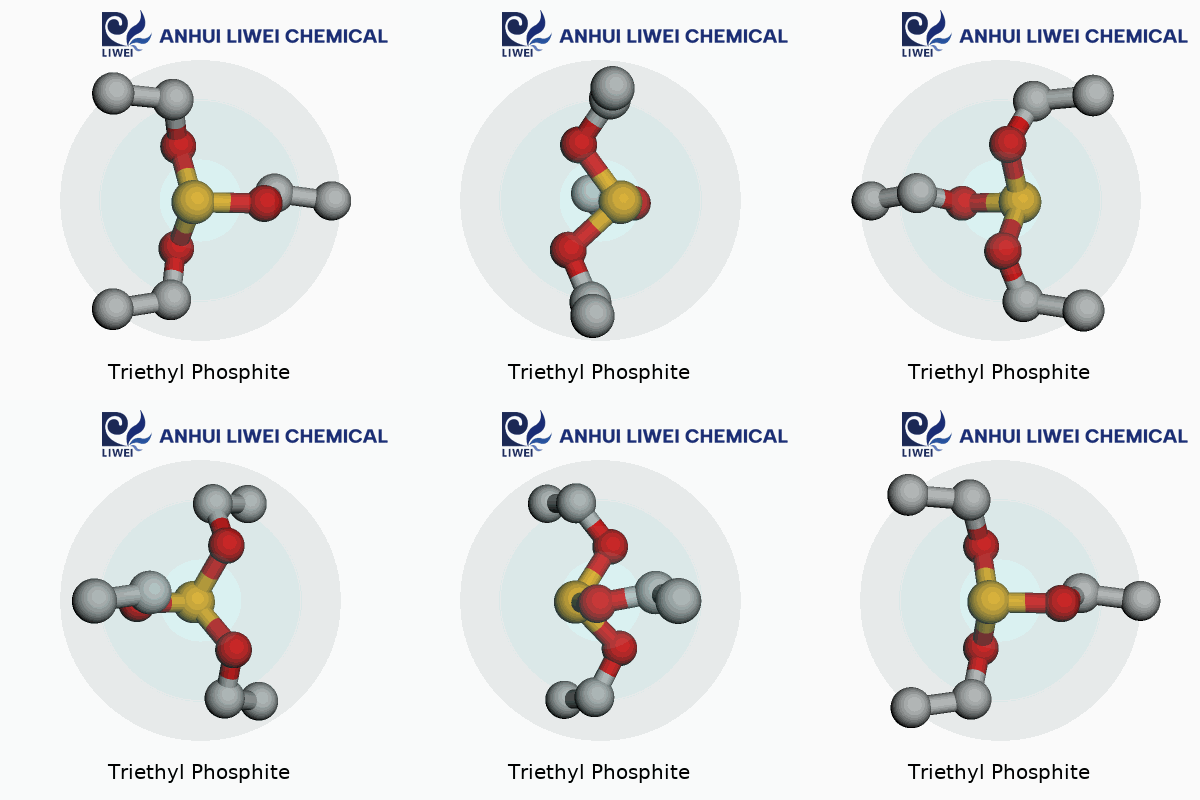
The backbone of triethyl phosphite’s utility stems from its simple structure: one phosphorus atom, three ethoxy groups, and a pretty high willingness to react with other chemicals. This combination opens up plenty of pathways in the laboratory. In organic synthesis, triethyl phosphite jumps into reactions with halides in a classic process called the Michaelis-Arbuzov reaction. This reaction forms key bonds for drugs, pesticides, and flame retardants found all over our world. If you use electronics, odds are you’ve benefitted from something that started out in a flask containing this molecule.
Not all is bright in handling triethyl phosphite. It flammable, irritates the skin, and doesn’t play nice with open water or careless hands. I spent enough time running reactions with it to know mistakes aren’t just theoretical. Accidental exposure brings real health risks. The solution begins with better lab education. Training on chemical handling—real, experience-based training, not just dry lectures—makes a difference. Industrial settings need oversight and systems that encourage people to double check procedures instead of cutting corners to save time.
Discussions about chemicals like triethyl phosphite tend to drain into legal compliance or safety checklists. That mindset acts like a filter. The real story runs deeper, reaching into the choices industries make about process design, substitution, and public transparency. Triethyl phosphite gets handled safely every day, but blind trust in procedure ignores the unpredictable side of human behavior and changing workplace environments.
Change doesn’t come from single fixes or banning tricky chemicals outright. The better path lies in focusing on updated training, honest reporting of mistakes, and steady research into green chemistry. Alternative reagents sometimes exist, and experts keep chipping away at the problems. Progress grows from sharing actual mishap stories so others don’t repeat them. The formula C6H15O3P only tells one side of the story. The human side turns awareness into action, and paves the way for safer labs, smarter manufacturing, and less environmental fallout long after the reaction’s finished.
In the chemical world, a lot gains importance by how people treat what goes on the shelf. Take Triethyl Phosphite. It’s not a name you find on a shopping list, but its impact runs deep through science, pharmaceuticals, and manufacturing. In labs and industrial plants, the choices made in storage go beyond organization. A lot rides on taking extra steps, not cutting corners just to save time or money.
Triethyl Phosphite brings along more risk than most chemicals sitting in a storage cabinet. It reacts with water, catching fire or breaking down to form toxic products like phosphine gas. Anyone who has watched the aftermath of a chemical mishap knows accidents don’t just inconvenience a few scientists. They can impact air quality, local waterways, and worker health. Sometimes, storage mistakes linger long after the spill gets wiped up. That puts the onus on careful, thoughtful handling every step of the way.
Simple mistakes, like leaving a cap loose or storing this chemical near water-based solvents, don’t just lead to wasted material. They create hazards, making a once-controlled environment unpredictable. Safety isn’t paperwork; it’s how routine tasks get done, day in and day out.
I’ve spent time in both academic labs and factories, where rules for storing reactive chemicals get repeated as much as lab jokes. It’s the kind of repetition meant to stick. The best spot for Triethyl Phosphite stays away from sunlight, water, and open air. Most seasoned lab techs will keep it in sealed dark bottles, ideally made from glass, with the cap checked twice before walking away. Metal containers attract suspicion because this chemical may slowly react with certain metals — rust and degradation tell their own stories about ignored warnings.
In shared spaces, labeling carries just as much weight as proper location. Beyond hazard symbols, a clear reminder not to open near sinks or humidifiers stops accidental exposure before it starts. My old supervisor never left labeling to interns alone. He’d say, “The extra minute could save you a panic call to emergency services.”
Some problems with chemical storage spring not from ignorance but from busy schedules and budget decisions. Pressure mounts, deadlines creep closer, and safety routines get trimmed back. Institutions, from universities to private labs, help by building a culture where anyone can point out risky storage and get a real fix, not a brush-off. Peer checks and regular audits catch problems before they escalate.
Companies with a strong safety record invest in storage cabinets built for flammable or moisture-sensitive chemicals. They place these cabinets away from high-traffic areas and running water. Practical experience reminds us that convenience often tempts people to store chemicals near where they work, not where they should. In those moments, the difference between a safe workplace and a dangerous one shows itself.
Triethyl Phosphite doesn’t take a break from being reactive just because someone skips a step. Real safety isn’t just about ticking boxes; it’s about making safety second nature. Better training, updated cabinets, honest labels — these make the difference. Every choice, down to the last twist of a bottle cap, shapes how safe the lab or the plant stays tomorrow.
Triethyl phosphite often turns up in conversations among chemists but rarely in casual talks at the dinner table. Out in industry, it serves as a reagent in organic synthesis, sometimes acting as a stabilizer for plastics. Outside the lab, most folks won’t bump into a bottle of it on a supermarket shelf. That distance gives a sense of safety, but distance sometimes builds a false sense of security.
Open any bottle of triethyl phosphite in a classroom and everyone will notice its harsh, sweet odor fast. Even in a well-ventilated lab, the fumes bite the nose and sometimes make the eyes water. Based on peer-reviewed toxicology studies, breathing even low concentrations in a confined space can irritate the airways. Prolonged contact has left chemists with headaches, dizziness, or tingling fingers. Liquid spills on the skin, if handled carelessly, lead to redness or a rash. Drinking water contaminated with it brings a batch of worries, since toxicity studies show that ingesting this chemical affects the central nervous system and the liver in rodents. Thankfully, accidental contamination of municipal water supplies hasn’t happened, thanks to strict controls in chemical plants.
Not every chemical risk lies in poisoning. Triethyl phosphite brings danger from another angle: flammability. It ignites easily, burns with an invisible flame, and when it lights up, it releases harmful byproducts including phosphorus oxides. These gases bother more than just the nose—they can cause real lung injury. Firefighters and lab workers learn to keep extinguishers handy and stick to small working quantities for good reason.
Waste streams containing triethyl phosphite go through rigorous treatment in regulated facilities before release. That’s because researchers tracking the breakdown of organophosphorus compounds like this one have seen aquatic toxicity at surprisingly low doses. Even small leaks can knock out populations of fish or invertebrates if proper care slips. Soil microbes also react poorly, which slows the natural cycling of nutrients. Watching a creek decline because of a chemical someone forgot to lock up leaves a mark on anyone who cares about local ecosystems.
Working with triethyl phosphite brings responsibility. Ventilation, personal protective gear, and tight protocols keep people and the environment safe. But accidents and forgetfulness remain part of the human experience. Instead of focusing only on emergency response, greater investment in regular staff training and more robust leak detection shifts the balance toward prevention. Updating storage practices and insisting on double containment where reasonable go a long way. On the community level, transparency matters—sharing information with neighbors and emergency responders about what’s on site helps everyone react faster if something does slip through the cracks.
Triethyl phosphite keeps supporting progress in chemistry and industry. Respecting its power means acknowledging its risks and acting with care at every step. The human drive to push science forward can’t come at the expense of health or the waters that keep communities thriving. Practical risk management and honest communication offer a reliable foundation for both industry and the neighborhoods neighboring it.